Skip to content
Veteran Owned & OperatedFFL DealerGunsAmmoServicesConsignmentNFA ItemsWhiskey Barrel Co.

Shop Blog

Guides, Maintenance Tips & Shop Knowledge

Safe Firearm Storage at Home

Safety

Safe Firearm Storage at Home

Practical habits for keeping firearms secure, accessible to owners, and out of reach of unauthorized users.

The core principle of home storage is simple: keep firearms secured against unauthorized access while keeping them reachable for the owner in an emergency. A quality safe bolted to the floor or wall, or a locked cabinet, handles most situations.

Store ammunition separately from firearms and lock the two away from each other when practical. Cable locks or trigger locks add a layer of protection when a safe is not an option, but they should not replace secure storage.

Household members, especially children and visitors, should never have unsupervised access to a firearm or its key or combination. Review your state and local safe-storage requirements, since they can apply to firearms kept in homes where minors live.

How an FFL Transfer Works

Buying Guide

How an FFL Transfer Works

What happens when a firearm you bought online or from another person is shipped to a licensed dealer for transfer.

When a firearm is purchased online or from an individual, it generally must be shipped to a Federal Firearms Licensee (FFL) dealer who completes the transfer. The dealer verifies the buyer’s identity and handles the required paperwork, including ATF Form 4473.

Most transfers include a NICS background check. Once it clears, the buyer completes the transfer in store. Checks can occasionally take longer than expected, so it helps to bring a valid government-issued photo ID and any required documentation.

Transfer fees vary by dealer and by item, and some situations such as NFA items follow a different process with additional approval steps. Ask the shop about current fees and requirements before you order.

Why Regular Maintenance Matters

Gunsmithing

Why Regular Maintenance Matters

How routine cleaning, lubrication, and inspection prevent malfunctions and extend the life of your firearm.

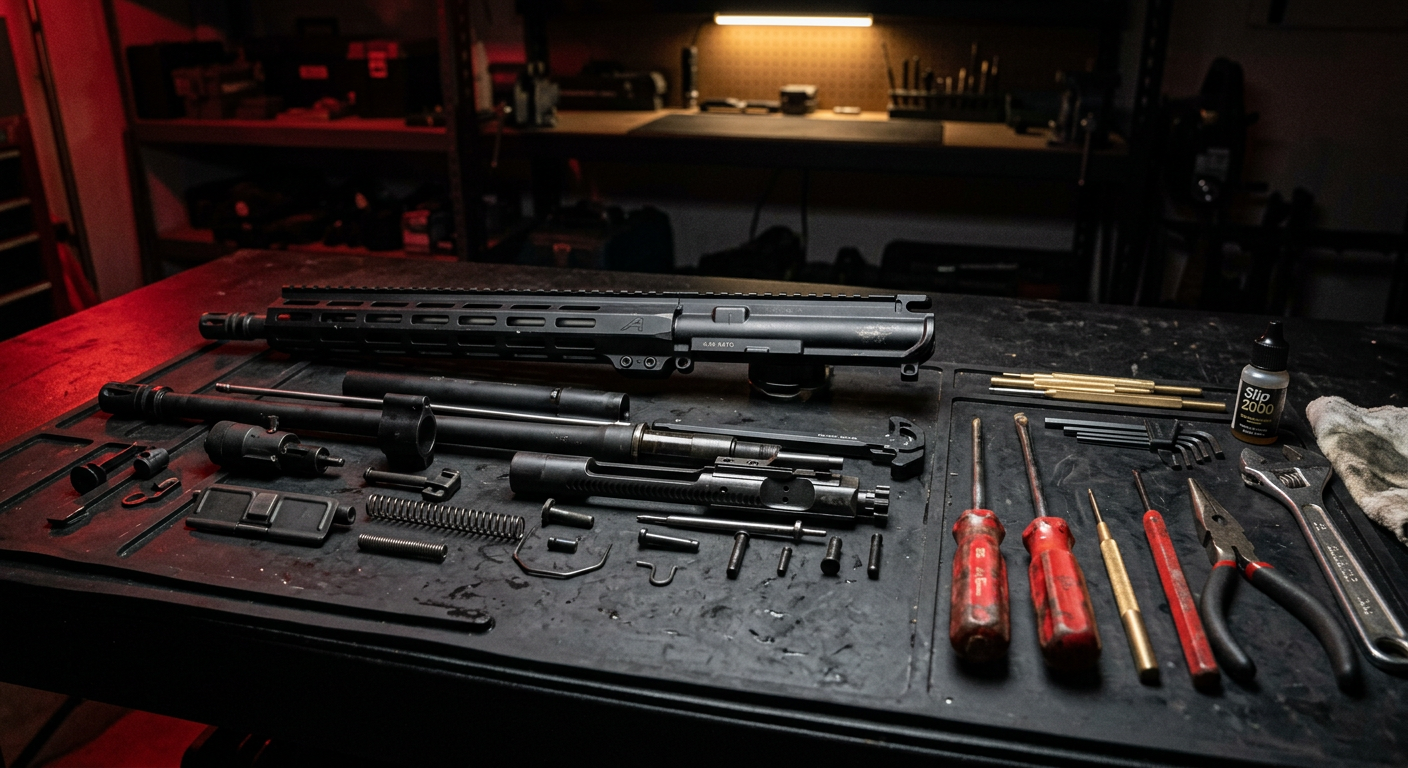
Fouling, carbon, and debris build up with every range trip. Left alone, they increase friction and can cause failures to feed, extract, or lock back. Cleaning the bore, action, and gas system after each session keeps the firearm running reliably.

Regular inspection matters as much as cleaning. Worn springs, cracked polymer, loose optic mounts, and damaged extractors often show up before a malfunction does. Catching them early is usually faster and cheaper than repairing a broken part.

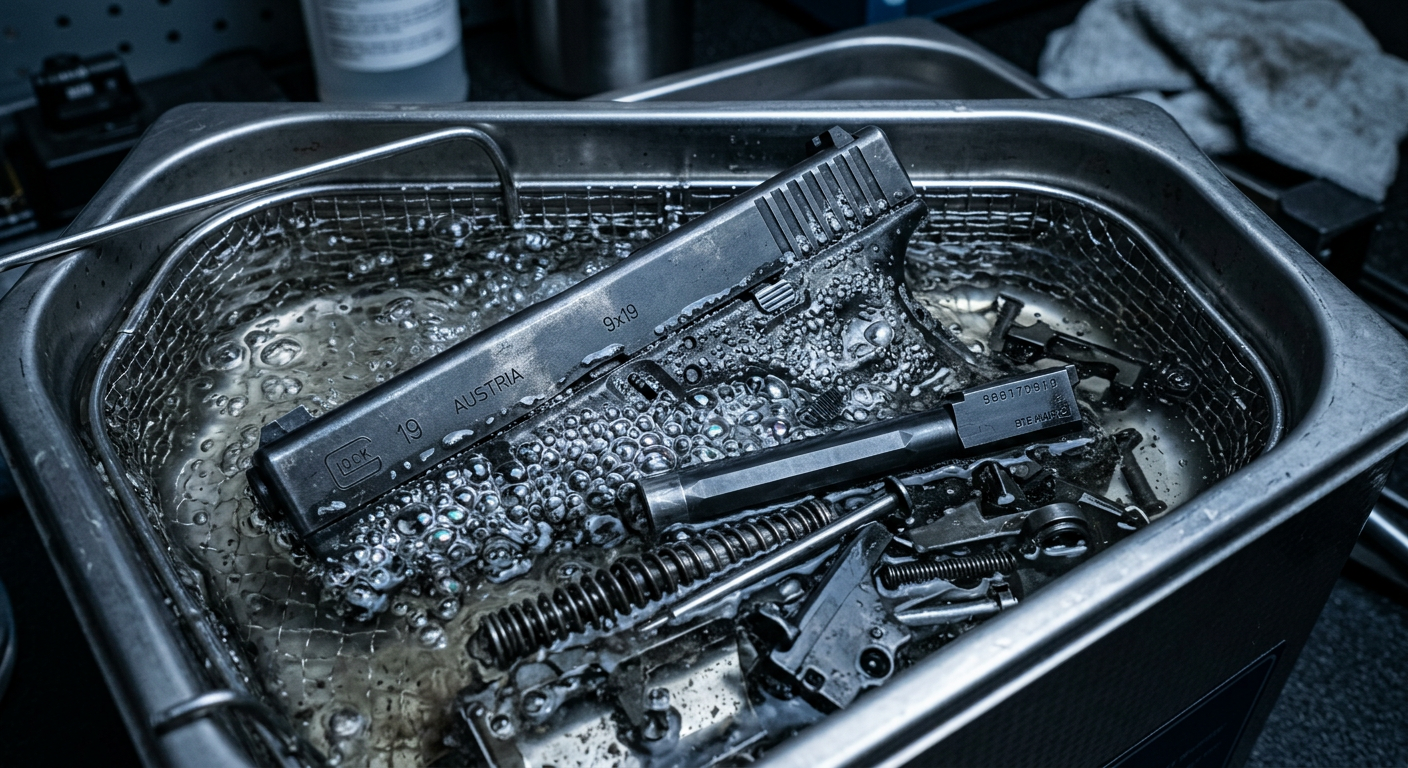
If you are unsure how far to take a disassembly, our bench can handle a full teardown, ultrasonic cleaning, wear inspection, and reassembly with a function check.

Selling Firearms on Consignment

Selling

Selling Firearms on Consignment

What to prepare before bringing a firearm to the shop for consignment, and what to expect from the process.

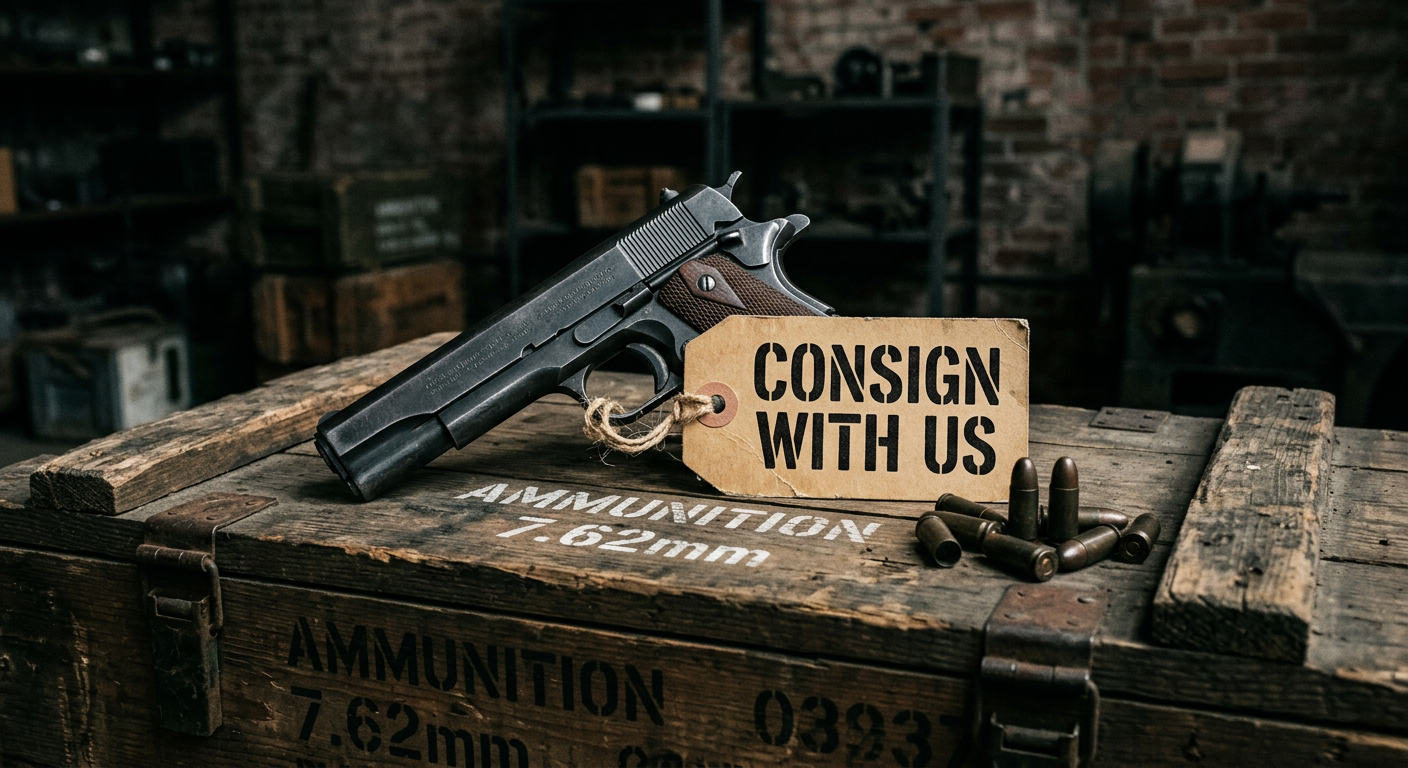
Consignment lets you sell a firearm through the shop without handing over ownership up front. Before you bring one in, gather the original box, manuals, accessories, and any receipts or records that show its history.

Be honest about condition. Note any modifications, refinishing, replaced parts, or cosmetic wear. Accurate descriptions build trust with buyers and reduce the chance of disputes after a sale.

Research recent sales of comparable models so your price expectations are realistic. Review the consignment terms carefully, including how long the firearm will be listed and how proceeds are paid out.

Mounting a Red Dot the Right Way

Optics

Mounting a Red Dot the Right Way

Why proper mounting, torque, and zeroing matter more than the optic itself when setting up a red dot.

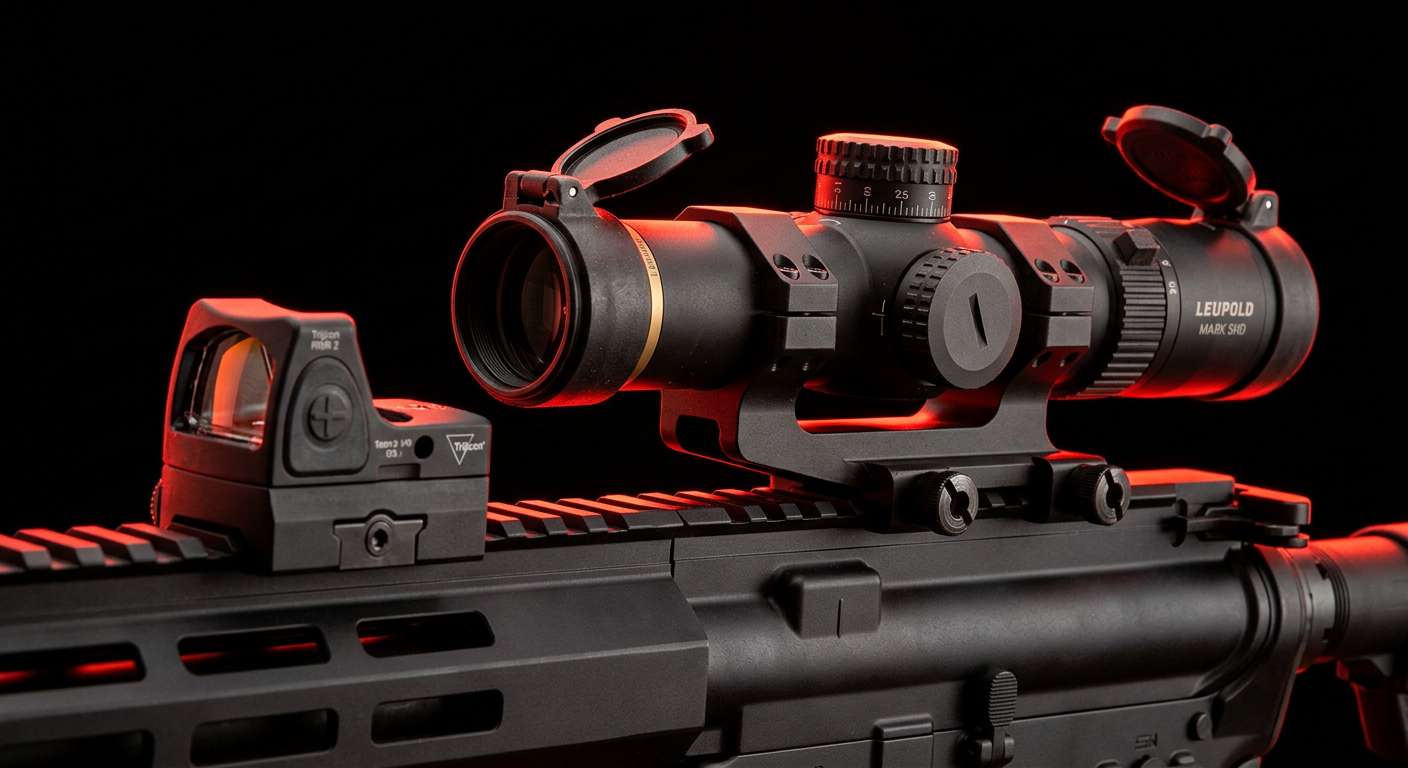
A red dot is only as accurate as its mount. Confirm the optic plate or footprint matches your slide or receiver, and clean the mating surfaces before installation so the optic sits flat and stays put.

Thread-locking compound and torque to the manufacturer’s specification keep screws from loosening under recoil. Over-tightening can strip threads or damage the optic, so use a proper torque driver rather than guessing.

After mounting, bore sight the firearm and confirm zero at the range. Re-check the mounting hardware periodically, especially after the first few hundred rounds.

Choosing the Right Ammunition

Ammunition

Choosing the Right Ammunition

How to match ammunition to your firearm, your purpose, and your budget without sacrificing reliability.

Start with the caliber marked on the firearm and confirm it matches the ammunition box exactly. Similar-looking cartridges can have different dimensions and pressures, so this check is not optional.

Match the ammunition to the job. Practice and training loads are typically chosen for cost and consistency, while defensive loads are selected for expansion and performance in the intended use. Whatever you choose, test it in your firearm before you rely on it.

A reliable load runs without malfunctions across a range of rounds. If a particular brand or bullet weight causes problems, a gunsmith can help identify whether the issue is the ammunition, the firearm, or both.

Have a Question?

Stop by the shop or call us and our team will walk you through it.

Contact Us